I. Latest Dynamics: Accelerated Clinical Trials for BCI in China
In the second half of 2026, China reported a series of significant breakthroughs in the field of Brain-Computer Interfaces (BCI), marking the technology's accelerated transition from laboratory research to real-world clinical applications.
Clinical Application Milestones: In late October, the First Affiliated Hospital of Shandong First Medical University (Qianfoshan Hospital) successfully implanted an ultra-flexible 256-channel electrode into a patient with high-level paraplegia. The patient can now stably control a computer cursor through intent. In the same month, Beijing Xuanwu Hospital announced the 3-year outcomes of the world's first minimally invasive epidural BCI implant trial, where the patient has regained active right-hand grasping and independent drinking with technological assistance.
Multiple "First-in-Region" Breakthroughs: In Central China, Wuhan Tongji Hospital completed the region's first fully invasive BCI surgery in August of this year. Earlier in July, Renmin Hospital of Wuhan University successfully conducted the world's first clinical validation of a high-resolution semi-invasive retinal BCI, enabling a blind patient to recognize Chinese characters and grasp objects.
Leadership in International Standards: On October 19, the international standard for the BCI reference architecture, spearheaded by Chinese experts, was officially published by the International Organization for Standardization (ISO/IEC), exporting a "Chinese Solution" to the global BCI development.
II. Leading the Globe: Core Advantages of BCI Surgeries in China
In the fierce global competition of the BCI industry, China has rapidly vaulted into the top tier by leveraging the following unique advantages:
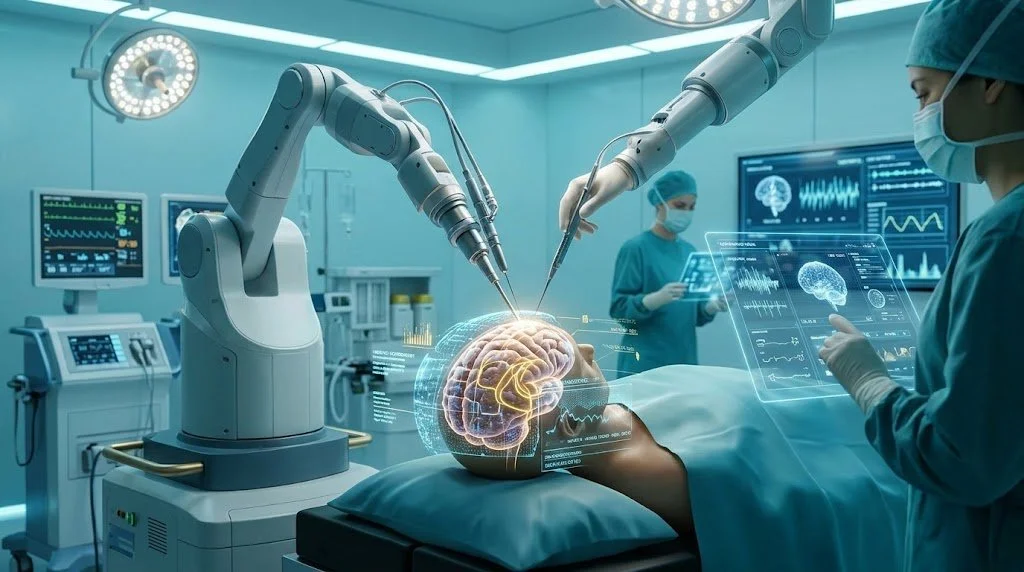
Pragmatic and Diversified Technological Pathways: Compared to the radical fully invasive routes taken by some overseas companies (e.g., Neuralink), Chinese teams lead the world in semi-invasive (minimally invasive epidural) implantations. Shallow implantation solutions, such as the NEO system developed by Neuracle and the "Beinao No. 1" by Xinzhida, strike a balance between safety and signal quality through minimally invasive methods. This approach yields higher clinical acceptance and perfectly aligns with the requirements for large-scale promotion in the Chinese healthcare environment.
Massive Clinical Validation Resources: China possesses a vast and diverse base of clinical cases, with large Grade 3A public hospitals providing an excellent breeding ground for technological iteration. In Wuhan, Hubei, for example, top medical institutions have conducted over 60 BCI clinical trials, making it an unavoidable hub for enterprises validating innovative products.
Mature Multidisciplinary Treatment (MDT) and Med-Tech Integration: BCI surgery faces the triple challenges of being "accurate, stable, and durable." It is not merely a single surgical procedure but requires deep integration among neurosurgery, rehabilitation medicine, electrode chip engineering, and decoding algorithm teams. The mature cross-disciplinary collaboration mechanisms in large domestic hospitals guarantee a full-chain service, from rigorous pre-operative assessment and precise implantation to long-term post-operative signal decoding and closed-loop rehabilitation.
Robust Policy and Supply Chain Synergy: In 2026, a concentration of national and local policies has been implemented. Regions like Beijing, Shanghai, Shandong, and Tianjin have established BCI industry clusters and clinical translation platforms, rapidly completing the industrial closed loop from upstream core components to downstream medical device evaluation.
III. Authoritative Directory: Chinese Hospitals Conducting BCI Surgeries and Clinical Trials
BCI surgery represents the pinnacle of neuroscience and engineering. Currently, the capacity to perform such cutting-edge surgeries and high-specification clinical trials in China is mainly concentrated in the following top medical centers:
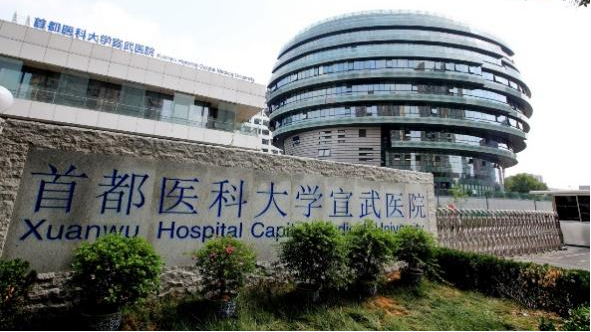
Xuanwu Hospital Capital Medical University (Beijing)
Core Advantages: As the National Center for Neurological Disorders, this hospital closely collaborates with the Tsinghua University team. In early 2023, it completed the world's first minimally invasive epidural BCI implantation, standing as a pioneering base for the clinical translation of semi-invasive BCIs in China.
Beijing Tiantan Hospital, Capital Medical University (Beijing)
Core Advantages: The hospital established China's first clinical and translational ward for BCI. It has successfully completed multiple implantations of cutting-edge devices like "Beinao No. 1," holding immense authority in systematic clinical research and standard formulation.
Huashan Hospital, Fudan University (Shanghai)
Core Advantages: Partnering with the Center for Excellence in Brain Science and Intelligence Technology (CEBSIT) of the Chinese Academy of Sciences, this hospital took the lead in launching prospective clinical trials for fully invasive BCI systems in China. Utilizing ultra-flexible micro-neural electrodes, it has achieved significant breakthroughs in brain-controlled rehabilitation for patients with severe neurological dysfunctions, such as quadruple amputations.
The First Affiliated Hospital of Shandong First Medical University / Qianfoshan Hospital (Jinan, Shandong)
Core Advantages: The neurosurgery team here is highly experienced in functional neuroimaging fusion and precise intraoperative signal validation. It spearheaded the highly difficult implantation of ultra-flexible, high-channel electrodes and established a distinctive system for long-term post-operative human-machine collaborative rehabilitation and closed-loop management.
Tongji Hospital, Tongji Medical College, Huazhong University of Science and Technology (Wuhan)
Core Advantages: Home to one of the largest BCI clinical research clusters in China, it completed the first fully invasive BCI surgery in Central China. It serves as a core cooperative hospital for the clinical validation of numerous innovative domestic BCI devices.
Renmin Hospital of Wuhan University (Wuhan)
Core Advantages: Achieving a historic leap in sensory reconstruction, its ophthalmology and neuromedicine teams completed the world's first clinical validation of a high-resolution semi-invasive retinal BCI, bringing entirely new possibilities for visual reconstruction to blind patients.
The Second Affiliated Hospital Zhejiang University School of Medicine (Hangzhou)
Core Advantages: At the forefront of neuromodulation and spinal cord injury repair in China, this hospital's team completed the nation's first closed-loop spinal nerve interface implantation, actively pushing long-acting BCI products toward clinical application.
About the Beijing Inbound Medical Tourism Forum
From engaging international patients to fostering specialized medical collaborations, and from cross-border healthcare coverage to full-cycle care—what new opportunities are emerging in China's inbound medical tourism sector?
As China's technological prowess, specialized medical strengths, and service capabilities gain increasing global recognition, a key question arises: How can we help overseas patients truly understand, trust, and smoothly access healthcare in China?
This is not just a new chapter in the internationalization of China's healthcare system; it is a vital opportunity for hospitals to expand their global business, drive cross-border medical innovation, and build robust international healthcare networks.
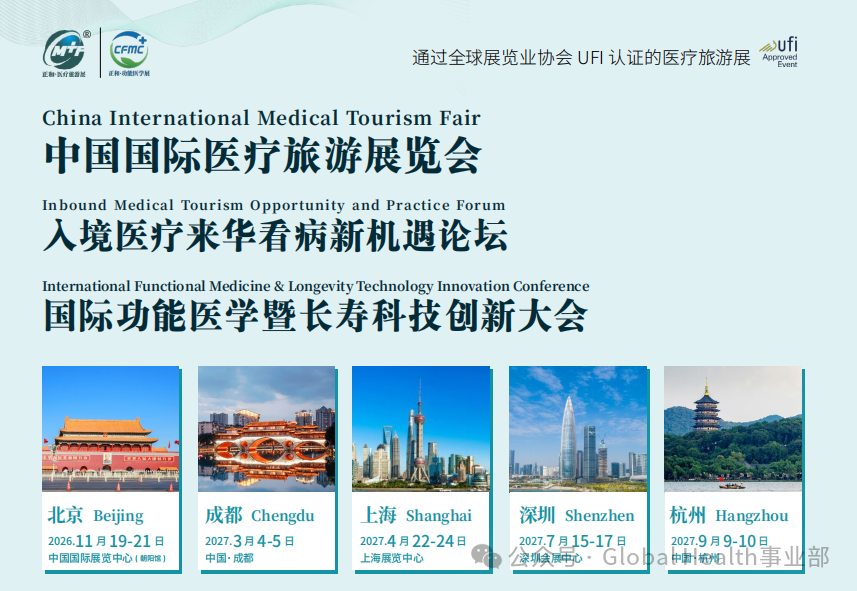
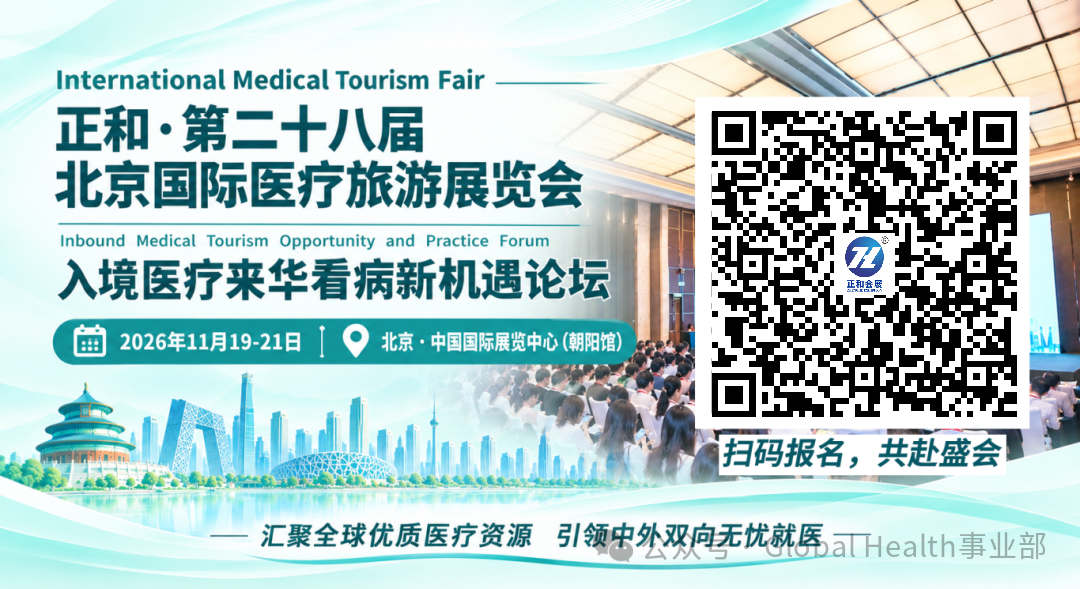
The Zhenghe · 28th Beijing International Medical Tourism Fair will take place from November 19-21 at the China International Exhibition Center (Chaoyang Hall) in Beijing. During the event, the Inbound Medical Tourism Forum will spotlight key topics, including international patient services, global partnerships, the international expansion of top-tier medical specialties, cross-border healthcare insurance, and full-cycle care. We are bringing together industry experts to explore practical pathways and share proven experiences in inbound medical care. We warmly invite you to join us!

👆扫码联系主办方
Diving into real-world business scenarios, this forum will feature in-depth discussions on:
Building international patient service systems
Pathways for global medical cooperation
Top-tier specialized medical services
Oncology and pediatric care
Best practices for full-cycle patient services
The forum goes beyond merely highlighting market opportunities in inbound medical tourism—it delves into the core service capabilities and collaborative mechanisms required to succeed.
Whether you are a hospital looking to attract more international patients, a medical service agency seeking new partnerships, or an industry professional tracking cross-border healthcare trends, this event is an invaluable platform to learn from industry best practices and broaden your collaborative network.