Bridging the Care Gap: The Growing Landscape of Advanced Oncology Services in South China and the GBA
For decades, international medical travel for complex cancer care was primarily a unidirectional journey, with patients from emerging economies seeking solutions exclusively in Western medical centers. Today, a major shift is occurring. South China—specifically the Guangdong-Hong Kong-Macao Greater Bay Area (GBA)—is rapidly evolving from a medical service contributor into a premier regional and global destination for advanced oncology treatment.
By connecting mainland China's substantial clinical volumes with Hong Kong’s established international integration, this region has built a robust cross-border medical ecosystem. Supported by efficient regulatory frameworks, steady infrastructure development, and localized access to innovative therapies, South China offers comprehensive oncological care designed for international and cross-border patients.
I. Key Drivers of South China’s Oncological Resources
China’s development in oncological care is increasingly characterized by advanced technological implementation, standard-aligned multidisciplinary networks, and efficient clinical translation.
Advanced Particle Radiation Networks (Proton & Carbon-Ion): China has established significant clinical clusters for particle beam therapy. Unlike conventional radiation, proton and carbon-ion therapies deliver targeted doses to tumors with high precision, minimizing exposure to surrounding healthy tissues. Localized system integration and clinical expertise have made these precise modalities highly accessible options within the region.
Streamlined Access to International Therapeutics: Policy frameworks such as State Council Decree No. 818 and the Hong Kong and Macao Medicine and Equipment Connect have reduced the historic delay for international innovative drugs entering the mainland market. Many targeted biological agents, immunotherapies, and rare-disease oncology drugs are fast-tracked into clinical usage within months of global regulatory launches.
Standardized Cellular and Immuno-Oncology: Operating under unified national medical guidelines, the cellular therapy sector in China has achieved efficient clinical translation. Patients facing complex or refractory solid tumors can access a range of customized, regulated cellular immunotherapy protocols, including advanced CAR-T variations, universal NK cells, and personalized dendritic cell vaccines.
Structured Multidisciplinary Team (MDT) Execution: Leading medical centers throughout the region adhere strictly to international clinical guidelines, including those established by NCCN and ESMO. Complex cases are thoroughly evaluated by integrated panels of surgical oncologists, medical oncologists, radiation therapists, interventional radiologists, and pathologists to ensure individualized, objective patient care plans.
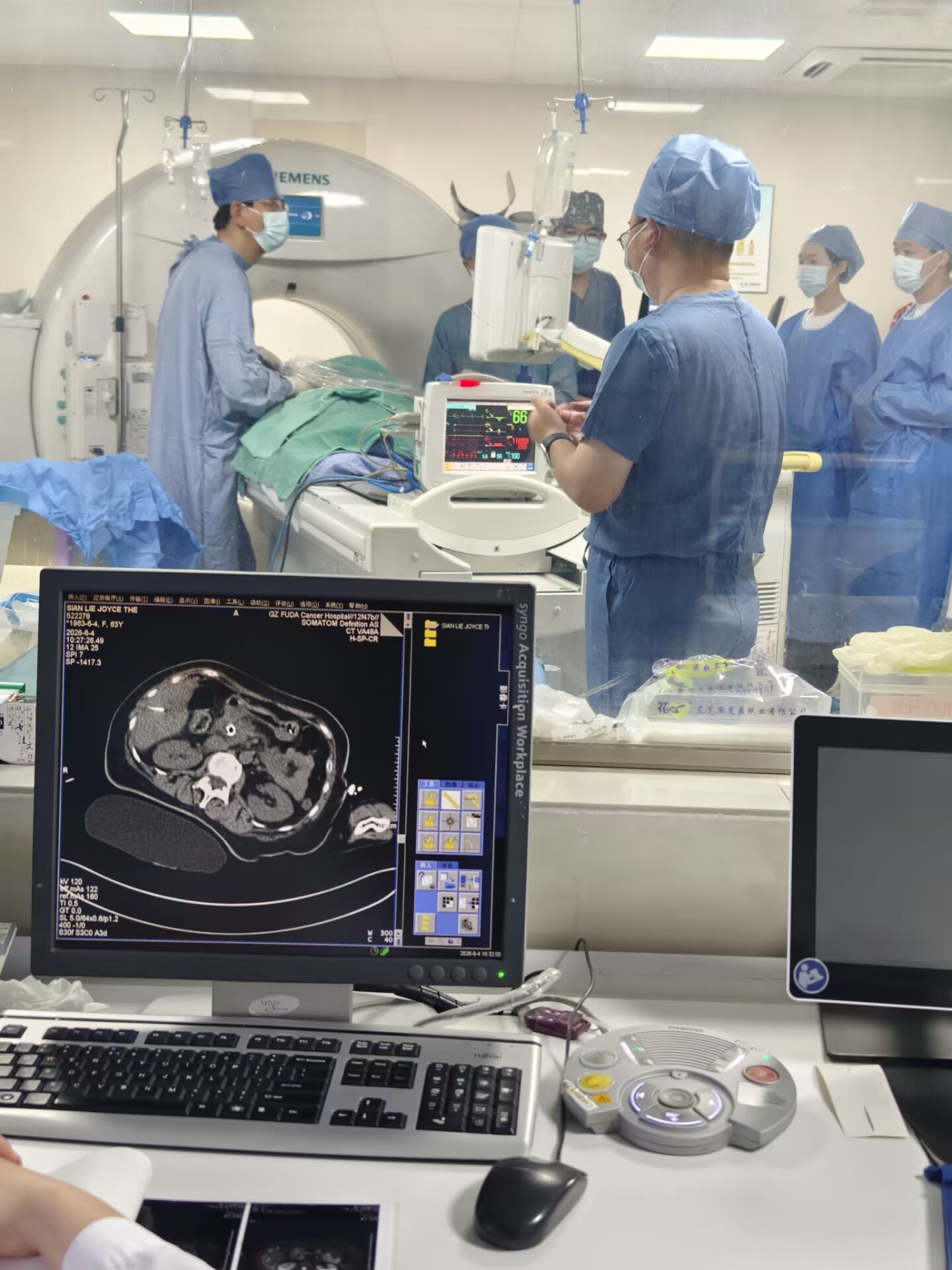
▲ Cryosurgical Ablation on Pancreatic Cancer @ FUDA Cancer Hospital
II. The Elite Medical Golden Triangle: Top Oncology Hubs in the GBA
With strong international transportation links, seamless cross-border insurance direct-billing setups, and coordinated medical regulations, the GBA offers a reliable network for international oncology patient management.
1. Guangzhou: Specialized Clinical and Academic Depth
As a primary national healthcare center, Guangzhou hosts some of China's most historic public teaching institutions alongside highly modern private specialist facilities.
Sun Yat-sen University Cancer Center (SYSUCC): A leading tertiary institution consistently recognized at the forefront of clinical oncology and research in China. Managing large patient volumes with strong clinical outcomes—particularly in lung, gastrointestinal, and nasopharyngeal cancers—SYSUCC acts as an important hub for international clinical trials and innovative drug exploration.
Guangdong Provincial People's Hospital: Nationally recognized for its specialized thoracic oncology division. This institution emphasizes precision medicine, integrating multi-omics diagnostic data into structured, targeted therapeutic regimens for lung cancer patients.
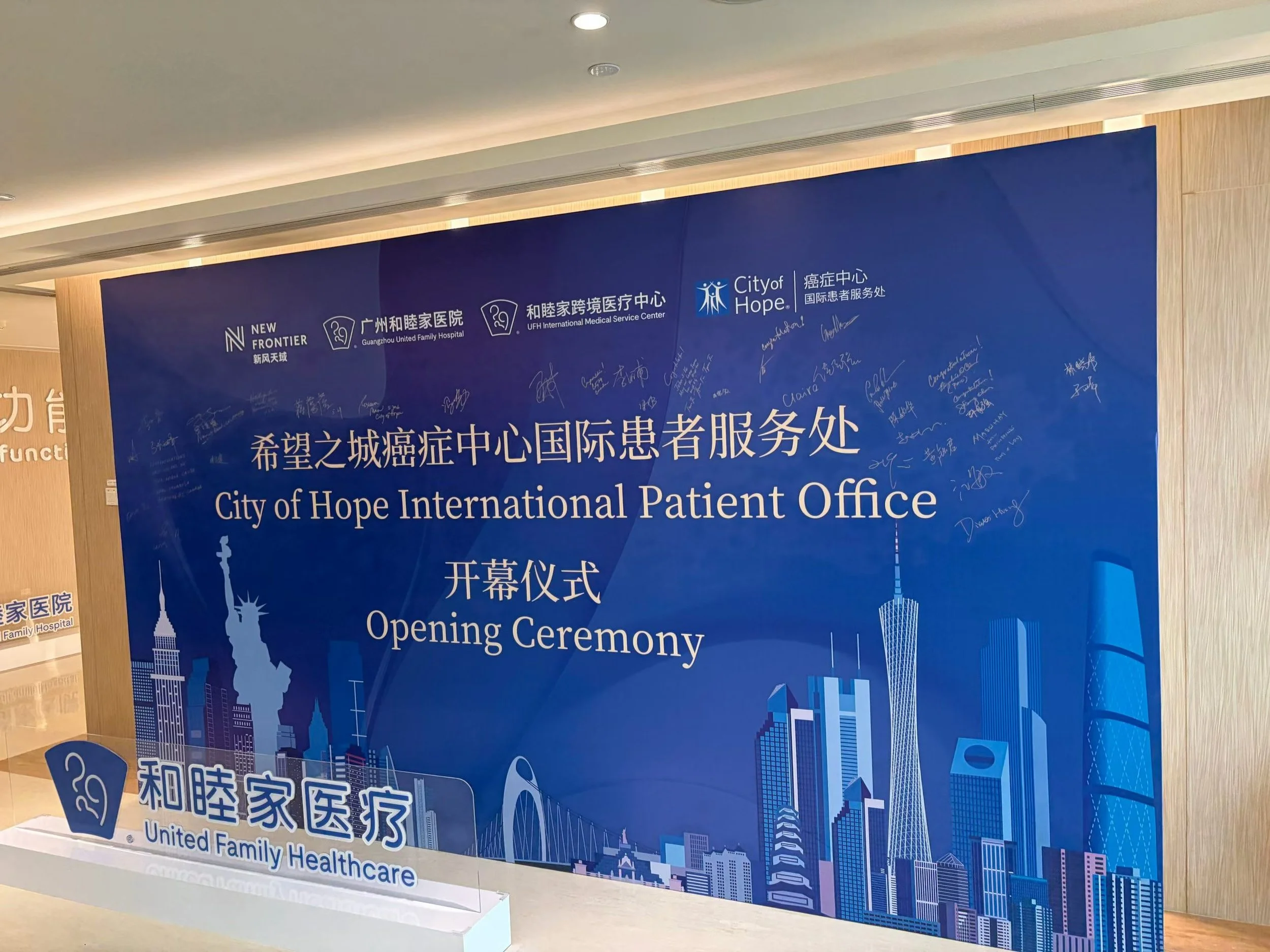
Guangzhou United Family Hospital (GZU): A prominent part of the United Family Healthcare network, providing international-standard oncology care. Operating under rigid JCI quality guidelines, GZU delivers personalized medical oncology, surgery, and infusion services in a patient-centric environment. It features close multidisciplinary collaboration and offers direct-billing partnerships with over 100 global commercial insurance providers.
Guangzhou Fuda Cancer Hospital: Globally recognized for its specialized focus on advanced, localized solid tumors. Fuda is a clinical pioneer in Cryosurgical Ablation (CSA) and Cancer Microvascular Intervention (CMI). Utilizing an integrated therapeutic approach (combining cryosurgery, microvascular intervention, and individualized immunotherapy), it has served patients from over 100 countries within the global medical tourism sector.
Royal Lee Cancer Hospital: A modern, highly internationalized oncology facility that integrates precise Western diagnostic technologies with premium patient hospitality. Featuring dedicated multidisciplinary clinics and minimally invasive image-guided ablation techniques, it specializes in providing high-end, tailored treatment pathways for cross-border citizens.
Concord Cancer Hospital (Guangzhou Taihe Cancer Hospital): A comprehensive tertiary oncology facility constructed and operated in alignment with international hospital design and safety standards. Functioning as a high-tech radiation medicine flagship, it is equipped with advanced linear accelerators and is developed to accommodate a state-of-the-art Proton Therapy Center, offering a seamless interface for international insurance integration.
Clifford Hospital: A pioneer in internationalized patient management as mainland China’s first hospital to achieve JCI accreditation. It blends evidence-based Western oncology interventions, such as hyperthermia and targeted therapy, with specialized Traditional Chinese Medicine (TCM) to offer comprehensive care frameworks.
2. Hong Kong: The International Interface & Advanced Therapeutics Hub
Operating under Western clinical frameworks, Hong Kong provides zero-wait-time access to the latest FDA and EMA-approved immunotherapies and targeted agents.
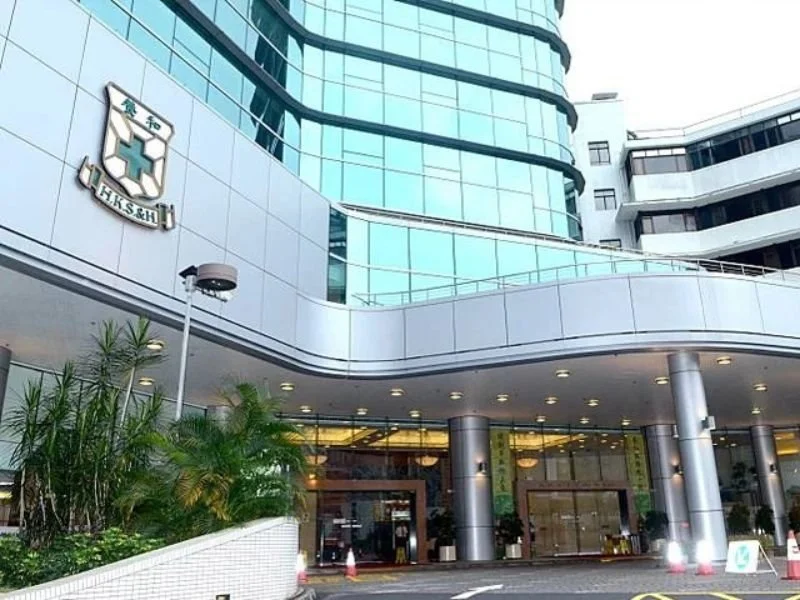
Hong Kong Sanatorium & Hospital (HKSH Oncology Centre): One of Asia’s most prestigious private institutions. HKSH features cutting-edge radiation oncology infrastructure, including advanced MR-guided linear accelerators and precise Proton Therapy systems, providing comprehensive, high-end cancer care.
Gleneagles Hospital Hong Kong: A highly internationalized private medical center practicing structural multidisciplinary team (MDT) models, offering direct access to innovative oncology therapeutics before their broader rollout in mainland markets.
Hong Kong Adventist Hospital (Oncology Center): Highly regarded for its premium, private patient environments and an elite medical team of internationally trained oncology professors with professional clinical backgrounds from the UK, US, and Australia.
3. Shenzhen: Modern Institutional Flexibility and Medical Tech Integration
Shenzhen leverages its status as a major technology and policy center to deliver streamlined digital health infrastructure and optimized cross-border medical pathways.
Shenzhen New Frontier United Family Hospital (SZU): A flagship international hospital operating strictly under JCI standards. SZU’s comprehensive Oncology Department features a multidisciplinary team composed of both top-tier mainland doctors and Hong Kong specialists who hold clinical backgrounds from international teaching institutions. Equipped with advanced diagnostic tools like dual-source CT and high-resolution 3.0T MRI, the center provides a full cycle of care spanning screening, chemotherapy, surgical oncology, and integrated palliative care.
The University of Hong Kong-Shenzhen Hospital (HKU-SZH): A key institutional collaboration between Shenzhen and Hong Kong, and a leading pilot center for the "Medicine and Equipment Connect" policy. It enables mainland and international patients to access international-standard oncology protocols and imported, cutting-edge Western pharmaceutical formulations simultaneously.
Shenzhen People's Hospital & Peking University Shenzhen Hospital: Major regional tertiary hospitals equipped with next-generation robotic surgery platforms, advanced linear accelerators, and real-time digital tracking networks, acting as essential treatment interfaces in the GBA.
🌟 Connect with Global Healthcare Platforms: The 27th CMTF Shenzhen (July 2026)
As the integration of advanced oncology, cellular biology, and functional longevity continues to reshape the healthcare economy, the regional focus moves to South China this summer.
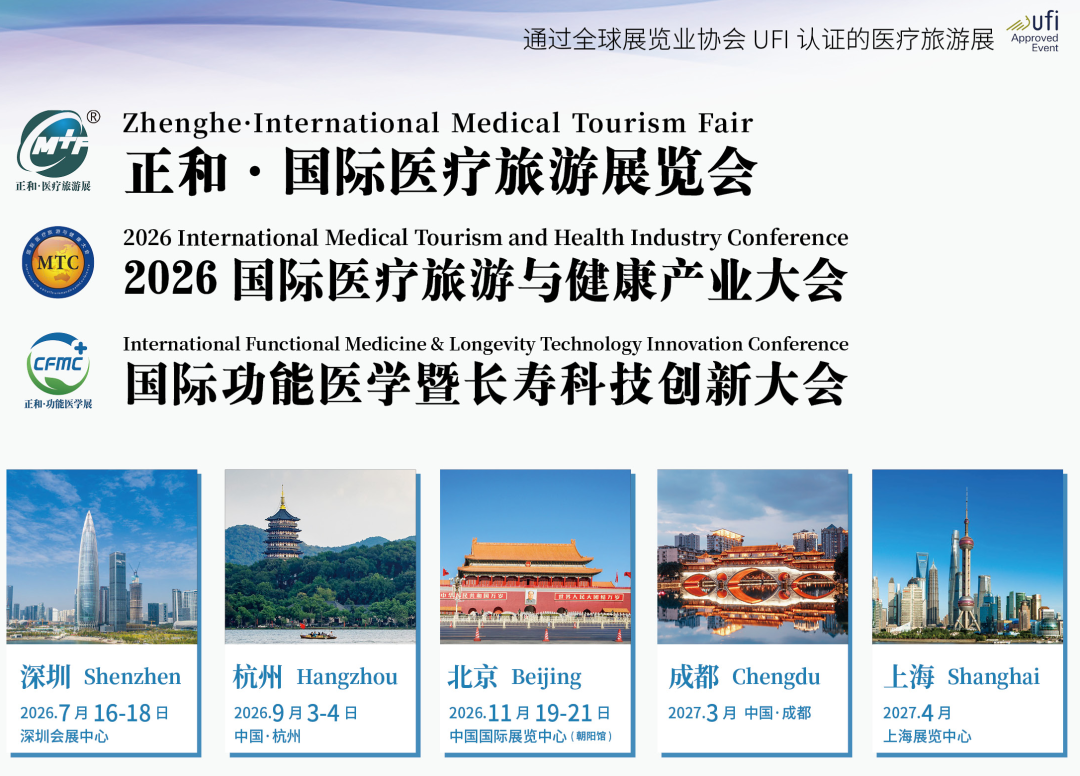
We welcome your participation at the Zhenghe · 27th Shenzhen International Medical Tourism Fair (CMTF), taking place from July 16–18, 2026, at the Shenzhen Convention and Exhibition Center.
Functioning as a reliable and trusted B2B matchmaking platform for cross-border health services, CMTF Shenzhen will bring together more than 350 international medical institutions and specialty clinics alongside 25,000+ professional visitors, channel distributors, health management organizations, and high-net-worth individual clients from across the globe.
The exhibition features structured concurrent forums and academic sessions diving into International Cancer Treatment, Cell Therapy, Regenerative Medicine, and Functional Longevity Tech. CMTF Shenzhen serves as your comprehensive gateway to establishing sustainable referral channels and exploring cross-border healthcare opportunities.
Upcoming Destination: Shenzhen (July 16–18, 2026)
Annual Schedule Continuity: Hangzhou (September) | Beijing (November)
Exhibition Booth or Speaking Inquiry Contact: +86-13570219945 (Phone & WeChat)