For a long time, Chinese citizens traveling abroad for medical consultation was the mainstream phenomenon in cross-border healthcare. Today, however, an increasing number of international patients are traveling great distances to China for diagnosis and treatment. In 2026, with the steady implementation of national-level supporting strategies, a transformation is reshaping the global medical tourism landscape.
16 Supporting Measures Anchoring the Direction of a Healthcare Destination
In the spring of 2026, domestic inbound healthcare reached a landmark milestone.
The Ministry of Commerce, in conjunction with eight other major departments—including the Office of the Central Cyberspace Affairs Commission, the Ministry of Foreign Affairs, the Ministry of Education, the Ministry of Culture and Tourism, the National Health Commission, the National Radio and Television Administration, the General Administration of Sport, and the National Immigration Administration—jointly issued the Policies and Measures on Promoting the Export of Travel Services and Expanding Inbound Consumption. The document includes seven major sections and 16 actionable measures, outlining a clear path for the development of inbound medical care.
This document is not an ordinary policy notice; it serves as a crucial signal of China's transition into a "medical tourism destination":
In qualified areas, planning and establishing international medical tourism clusters to provide overseas patients with high-end physical examinations, medical aesthetics, rehabilitation, and care services.
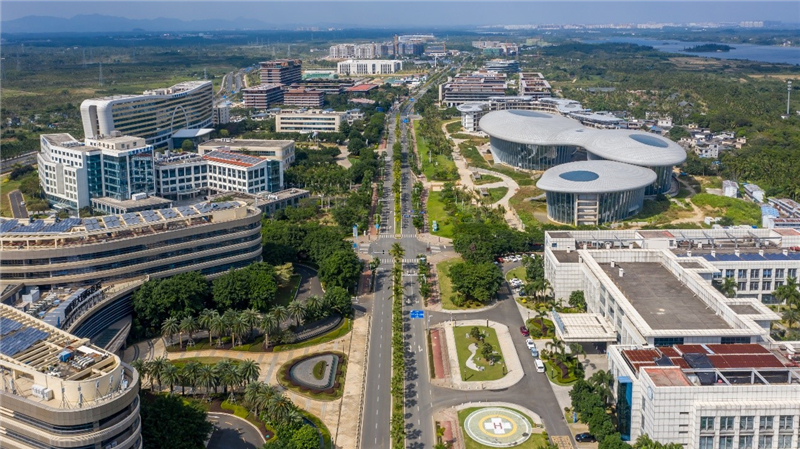
Continuously amplifying the benchmark effect of the Hainan Boao Lecheng International Medical Tourism Pilot Zone, allowing the use of clinically urgent drugs and medical devices within the zone that are approved overseas but not yet approved domestically.
Launching pilot projects for the integration of Traditional Chinese Medicine (TCM) inbound consumption and trade in services to leverage the unique advantages of traditional medicine.
Advancing pilot programs for the opening of wholly foreign-owned hospitals and actively introducing top-tier international specialized hospitals.
Why is there a vigorous push to develop inbound healthcare now?
The 2026 Government Work Report explicitly proposed continuously optimizing the inbound consumption environment and building the "Shop in China" brand. Travel services related to medical care constitute the largest segment of China's trade in services, yet it is also an area with a prominent trade deficit. To reverse this situation, expanding service exports is the key, placing inbound medical tourism at the strategic high ground of the industry.
Market data has already provided confirmation: In 2025, the export scale of domestic travel services reached 393.98 billion RMB, a year-on-year increase of 49.5%, marking a 1.6-fold growth compared to 2019. The total number of inbound foreign tourists reached 35.17 million, a year-on-year increase of 30.5%. Health consumption is precisely a track with immense growth potential within this wave of inbound consumption.
Data Witness: A Reverse Trend in Cross-Border Healthcare is Forming
The 2025 Statistical Report on Foreign-Related Medical Services released by the National Health Commission shows:
Key domestic foreign-related medical institutions received a total of 1.28 million visits from foreign patients throughout the year, an increase of 73.6% compared to three years ago. Among them, overseas visitors who came to China specifically for medical treatment reached 413,000, a year-on-year increase of 63%.
1.28 million visits mean that, on average, over 3,500 international patients receive treatment in domestic hospitals every day, whereas the annual reception volume three years ago was less than 740,000.
The data from Hainan Boao Lecheng is even more representative:
In the first quarter of 2026, Lecheng received 3,053 inbound medical tourists, a staggering year-on-year surge of 800.59%. From January to May, the total reception volume of medical tourism in the zone was 569,500, a year-on-year increase of 145.88%, with overseas patient visits reaching 6,207, representing a growth of over 700%.
Patients from 14 countries and regions, including Indonesia, Malaysia, Russia, and Canada, are successively choosing Lecheng for medical care.
This is not merely numerical growth, but a vote of confidence cast by global patients through their actual choices.

Behind the Ten-Fold Price Difference: The Core Competitiveness of Healthcare Service Efficiency
In early 2026, the topic "Overseas patients coming to China for medical treatment, price difference can reach ten times" sparked widespread discussion on overseas social platforms.
The experience of British blogger Amy is highly representative: plagued by stomach pains for two years, she faced an endless queue at public hospitals in the UK. In November 2025, she made a special trip to China, completing a gastroscopy and related treatments in just two weeks. The medical expenses were approximately 2,800 RMB (about £300). Including visa, flights, and accommodation, her total expenditure was around £1,500. In a UK private clinic, a single endoscopy alone would cost between £3,000 and £5,000.
For equivalent medical procedures, the cost difference can be up to ten times.
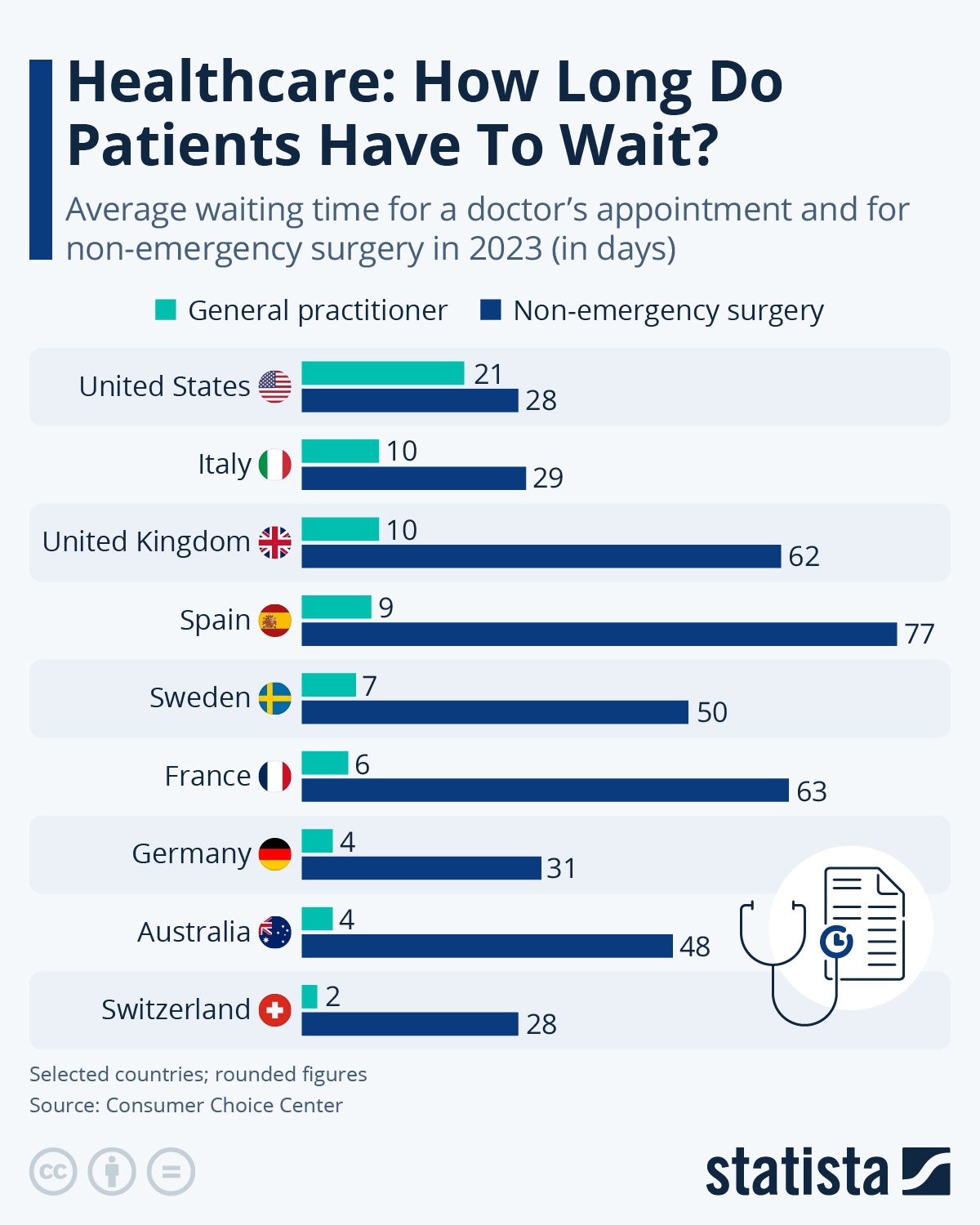
In addition to the price advantage, the gap in treatment efficiency is equally striking. Data from the OECD's Health at a Glance 2025 indicates that in Canada and Norway, over 60% of patients wait more than a month for a specialist consultation. Public data from the UK's NHS shows that by the end of 2023, at least 7.6 million people in England were on waiting lists, with over 330,000 waiting for more than a year. Booking an MRI scan often requires a wait of over six months.
In contrast, the service efficiency of domestic medical institutions stands out:
A 4-year-old Singaporean patient facing a waiting period of over 3 months for tonsil surgery locally traveled to Hangzhou with his parents; it took only 4 days from the consultation appointment to successful discharge. Alexander, a Greek Silicon Valley engineer diagnosed with a glioma, utilized the innovative drug Vorasidenib (which was not yet approved in his home country) at the Lecheng Pilot Zone, receiving the medication on the same day after evaluation.
High efficiency and accessibility have become China's shining competitive trump cards in healthcare.
Demand Iteration: From Chasing Drug & Device Dividends to Trusting Comprehensive Clinical Capabilities
In the early days, many overseas patients came to China specifically for access to cutting-edge innovative drugs through special licensing. Today, demand is upgrading; an increasing number of people are seeking high-quality domestic treatment plans to resolve complex and challenging diseases.
A 67-year-old Bulgarian entrepreneur, Bobokov, underwent in-depth cardiovascular screening in Lecheng, discovering hidden health risks that European hospitals had failed to identify. He subsequently received innovative drug intervention at Ruijin Hainan Hospital.
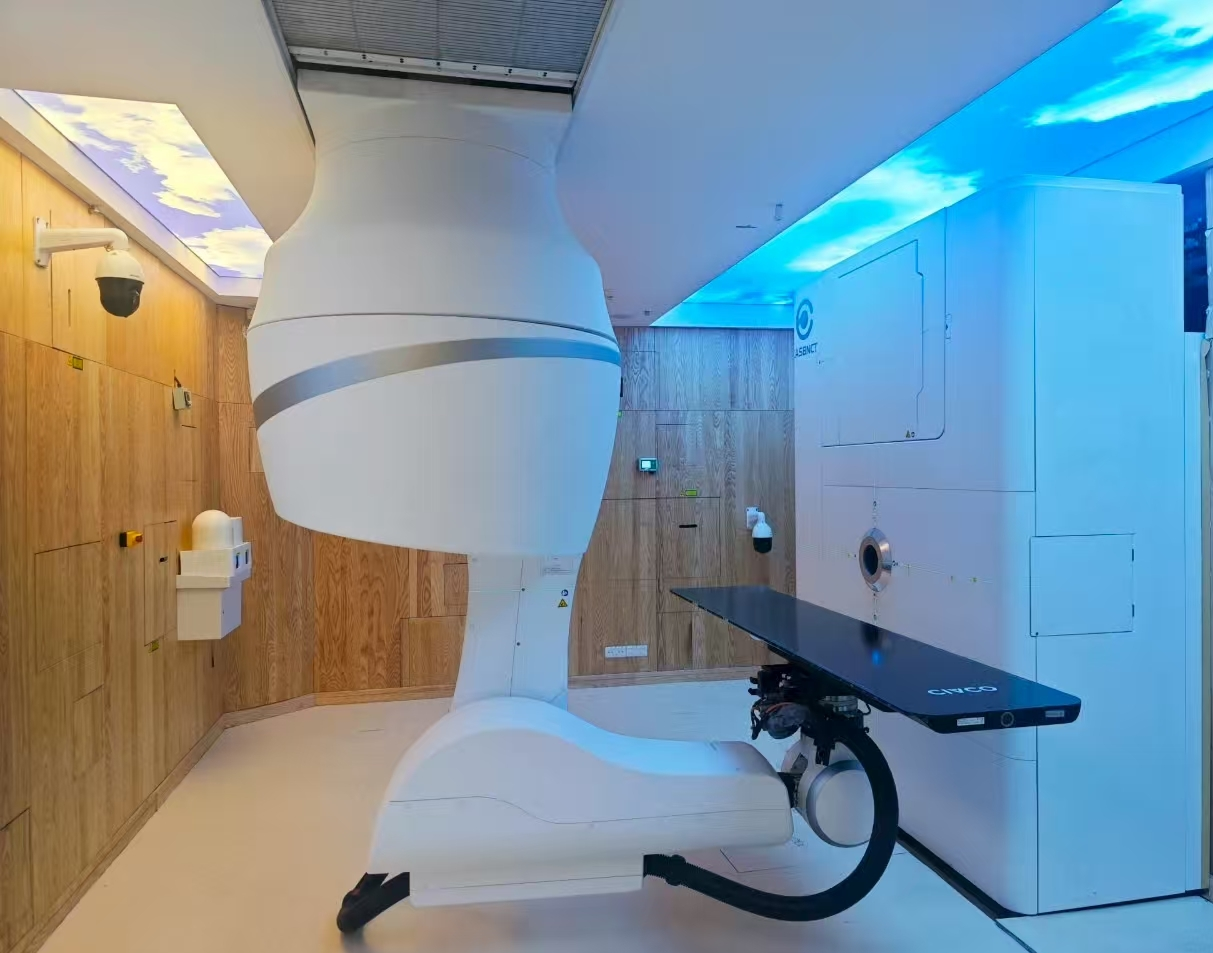
Sergey, a 34-year-old Russian physics professor diagnosed with maxillary sinus small cell carcinoma, found limited success with various treatments until he ultimately chose Boron Neutron Capture Therapy (BNCT) in Lecheng.
To date, the Boao Lecheng Pilot Zone has introduced over 570 overseas innovative drugs and medical devices, benefiting over 290,000 patients. More than 40 medical institutions have established a presence in the zone, forging partnerships with over 180 domestic and international pharmaceutical and medical device companies. Top domestic hospitals such as Ruijin, West China (Huaxi), Zhongshan Ophthalmic Center, Qilu, Xiangya, and China-Japan Union Hospital have successively entered the zone. Boao Fulong Hospital, Hainan's first wholly foreign-owned hospital, has also officially opened for operation.
By overlaying top domestic medical capabilities with international partnering institutions, the caliber of medical services in Lecheng is achieving a leapfrog upgrade.
About the Beijing Inbound Medical Tourism Forum
From engaging international patients to fostering specialized medical collaborations, and from cross-border healthcare coverage to full-cycle care—what new opportunities are emerging in China's inbound medical tourism sector?
As China's technological prowess, specialized medical strengths, and service capabilities gain increasing global recognition, a key question arises: How can we help overseas patients truly understand, trust, and smoothly access healthcare in China?
This is not just a new chapter in the internationalization of China's healthcare system; it is a vital opportunity for hospitals to expand their global business, drive cross-border medical innovation, and build robust international healthcare networks.
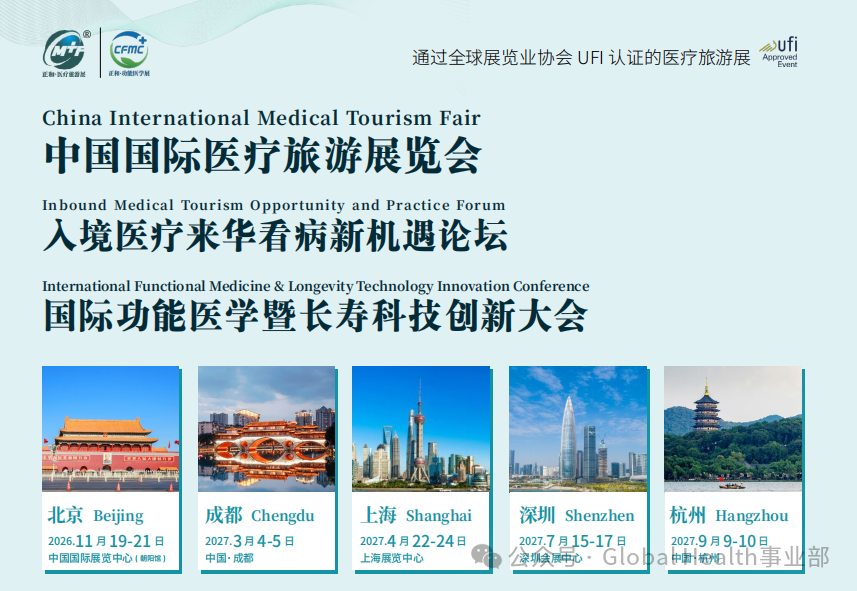
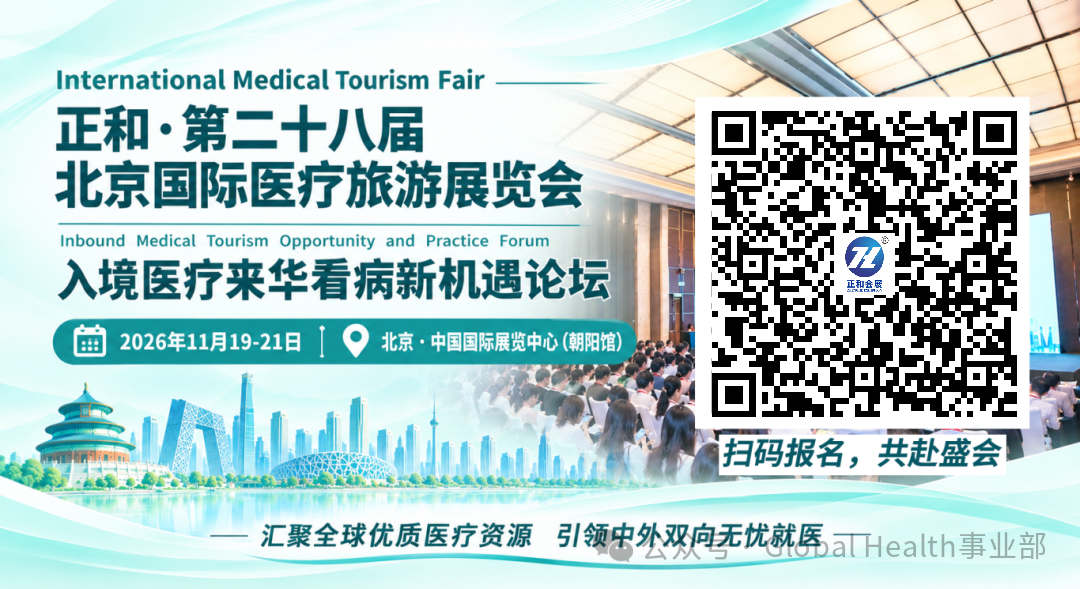
The Zhenghe · 28th Beijing International Medical Tourism Fair will take place from November 19-21 at the China International Exhibition Center (Chaoyang Hall) in Beijing. During the event, the Inbound Medical Tourism Forum will spotlight key topics, including international patient services, global partnerships, the international expansion of top-tier medical specialties, cross-border healthcare insurance, and full-cycle care. We are bringing together industry experts to explore practical pathways and share proven experiences in inbound medical care. We warmly invite you to join us!

👆扫码联系主办方