From Outbound to Inbound: How Hangzhou is Shaping a New Model for China Medical Tourism
For the past decade, cross-border healthcare for Chinese families was largely outbound—traveling to Japan for precision physicals, Thailand for IVF, or the United States for advanced oncology. Today, a historic paradigm shift is unfolding: the gravitational pull of inbound medical travel to China is rapidly emerging.
Families from Southeast Asia are arriving in China for complex cardiovascular surgeries; patients from Central Asia fly to Shanghai for oncology multidisciplinary consultations (MDT); clients from the Middle East and Europe access cutting-edge therapeutics in Hainan Boao; and a growing diaspora of overseas Chinese are choosing to return home for major medical care.
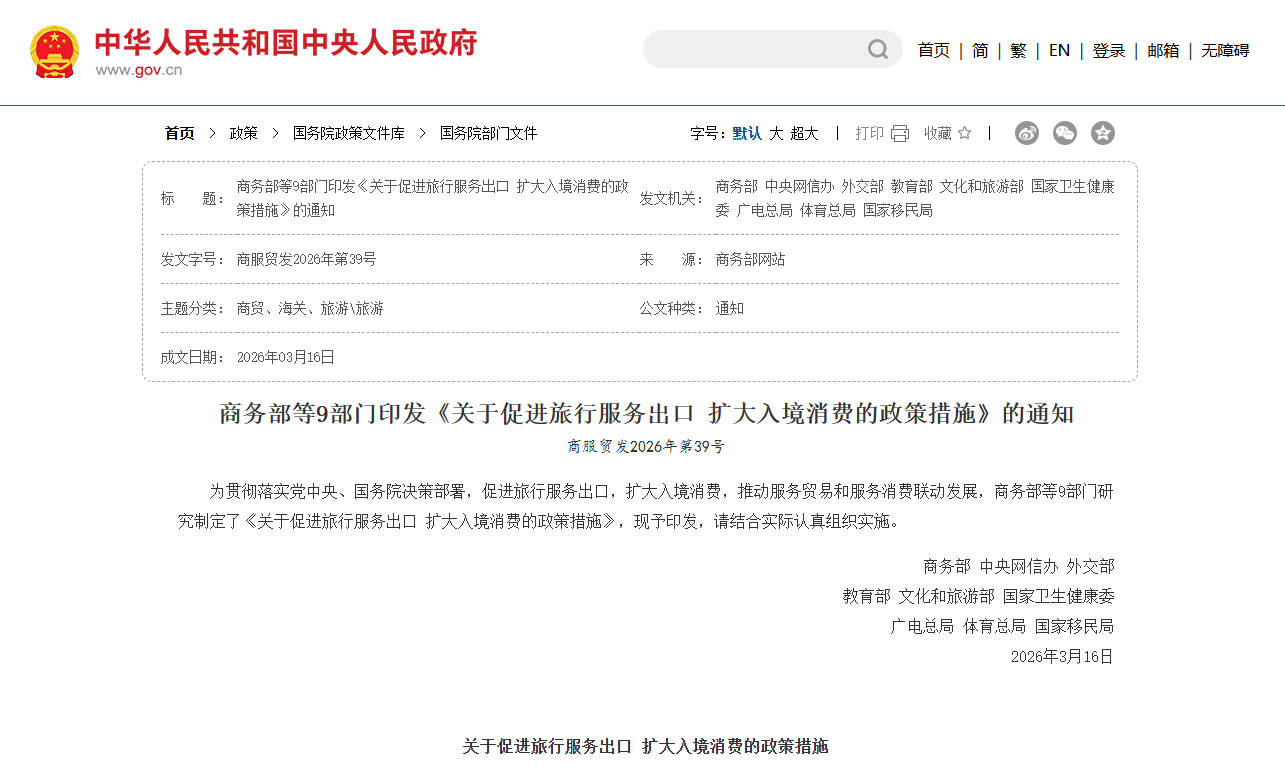
This transition is backed by decisive national strategy. In March 2026, nine Chinese government ministries, including the Ministry of Commerce, issued official policy measures to boost travel service exports and expand inbound consumption. The mandate explicitly prioritizes "building international medical tourism brands," "developing international medical travel demonstration zones," and "expanding direct settlement coverage for global commercial health insurance." For the first time, inbound medical consumption is officially recognized as a core trade-in-services asset.
The Underlying Drivers of China's Inbound Healthcare
The surge in inbound medical travel rests on three core pillars:
Clinical Volume & Expertise: China’s top-tier Grade-A tertiary hospitals lead the world in surgical volume and clinical experience across oncology, cardiology, orthopedics, and TCM rehabilitation.
Unrivaled Cost-Efficacy: Equivalent advanced treatments in China typically cost 1/3 to 1/2 of those in Western markets.
Zero Cultural Barrier for Diaspora: For overseas Chinese and East/Southeast Asian patients, language fluency, dietary alignment, and family accompaniment costs are virtually zero.
Across China’s regional landscape, key hubs have distinct roles: Hainan Boao pioneers early-access drug policies, Shanghai and Beijing tackle rare and complex diseases, Guangzhou and Shenzhen link Hong Kong and Macao, while Hangzhou is crafting a unique paradigm combining Digital Health Infrastructure, Top Specialist Clusters, and Premier Wellness Tourism.

Hangzhou’s Strategic Edge
While Hangzhou is not historically categorized as a conventional "medical center," it possesses distinct advantages that are hard to replicate:
Digital Health Infrastructure: As China's technology capital, Hangzhou's mature ecosystem of internet hospitals, cloud medical records, and cross-border telemedicine allows overseas patients to complete thorough remote pre-consultations before boarding a flight.
Top Specialist Clusters: Leading public teaching hospitals—such as Sir Run Run Shaw Hospital, the First Affiliated Hospital of Zhejiang University School of Medicine, and Women's Hospital TuZJU—consistently rank among China’s top centers in reproductive medicine, hepatobiliary surgery, digestive oncology, and chronic disease management.
Wellness & Tourism Buffer Zone: Iconic destinations like the West Lake, Liangzhu, and Wuzhen provide a serene environment for turning a medical visit into a comfortable 5-to-7-day healthcare and recovery retreat for patients and accompanying families.
Public-Private Synergy: Flexible international medical departments, premium private clinics, and direct-billing commercial insurance networks enable Hangzhou to respond swiftly to international channel partners and agencies.
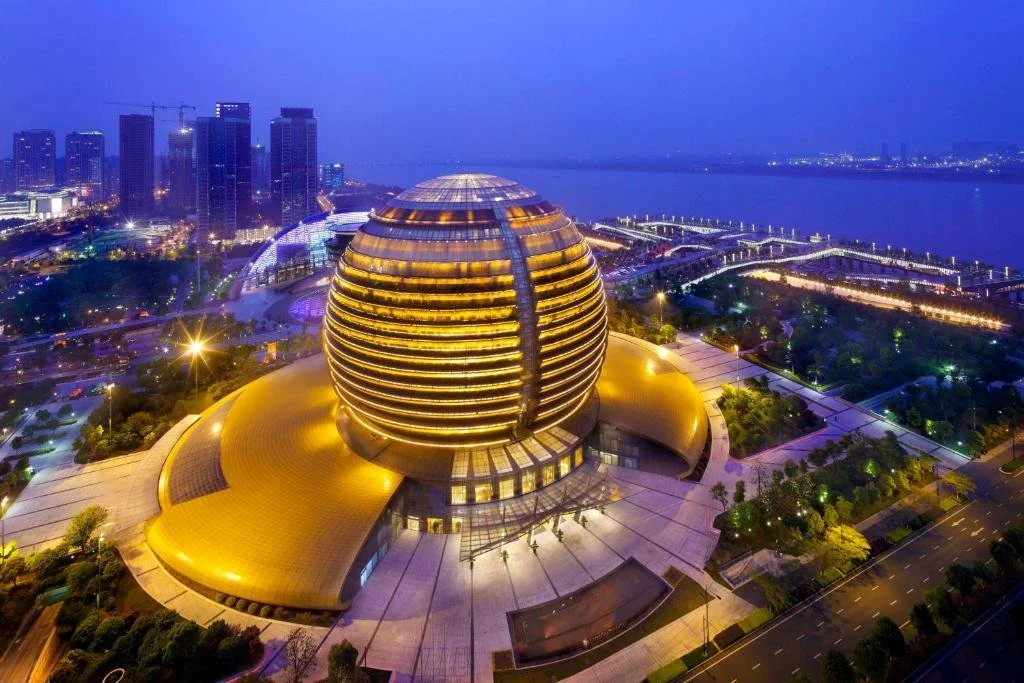
Hangzhou International Convention Center

The Facilitation Bridge: LumaLink Global (Chasing Light Planet)
Headquartered in Hangzhou, Hangzhou Chasing Light Planet Intelligent Technology Co., Ltd. (Brand: LumaLink Global) serves as a trusted local facilitator and compliance benchmark in China's inbound medical travel sector.
Expansive Resource Network: The company has established official partnerships with over 40 leading Grade-A tertiary and premium private hospitals across China. With branch offices in Beijing, Shanghai, Shenzhen, and Guangzhou, its domestic network spans more than 15 core cities, unlocking access to over 2,000 specialist physicians.
Full-Cycle Service Ecosystem: Built specifically around the needs of international patients seeking medical care in China, LumaLink Global delivers end-to-end non-medical coordination. Services cover medical record collection, remote pre-consultations, hospital matching, travel coordination, professional medical interpretation, in-hospital accompaniment, hospitalization assistance, and post-discharge follow-ups.
Proven Track Record: To date, LumaLink Global has successfully coordinated care for over 1,000 international patients from more than 20 countries and regions, across specialties including oncology, cardiology, orthopedics, assisted reproduction, chronic disease management, functional medicine, and rehabilitation.
Strict Compliance Boundaries: Operating strictly within a compliant non-medical boundary, the company does not replace licensed medical institutions in diagnosis or treatment. Instead, it focuses on providing communication management, workflow coordination, and non-medical support—offering overseas patients, medical agencies, and insurance partners a secure, transparent, and seamless gateway to medical care in China.
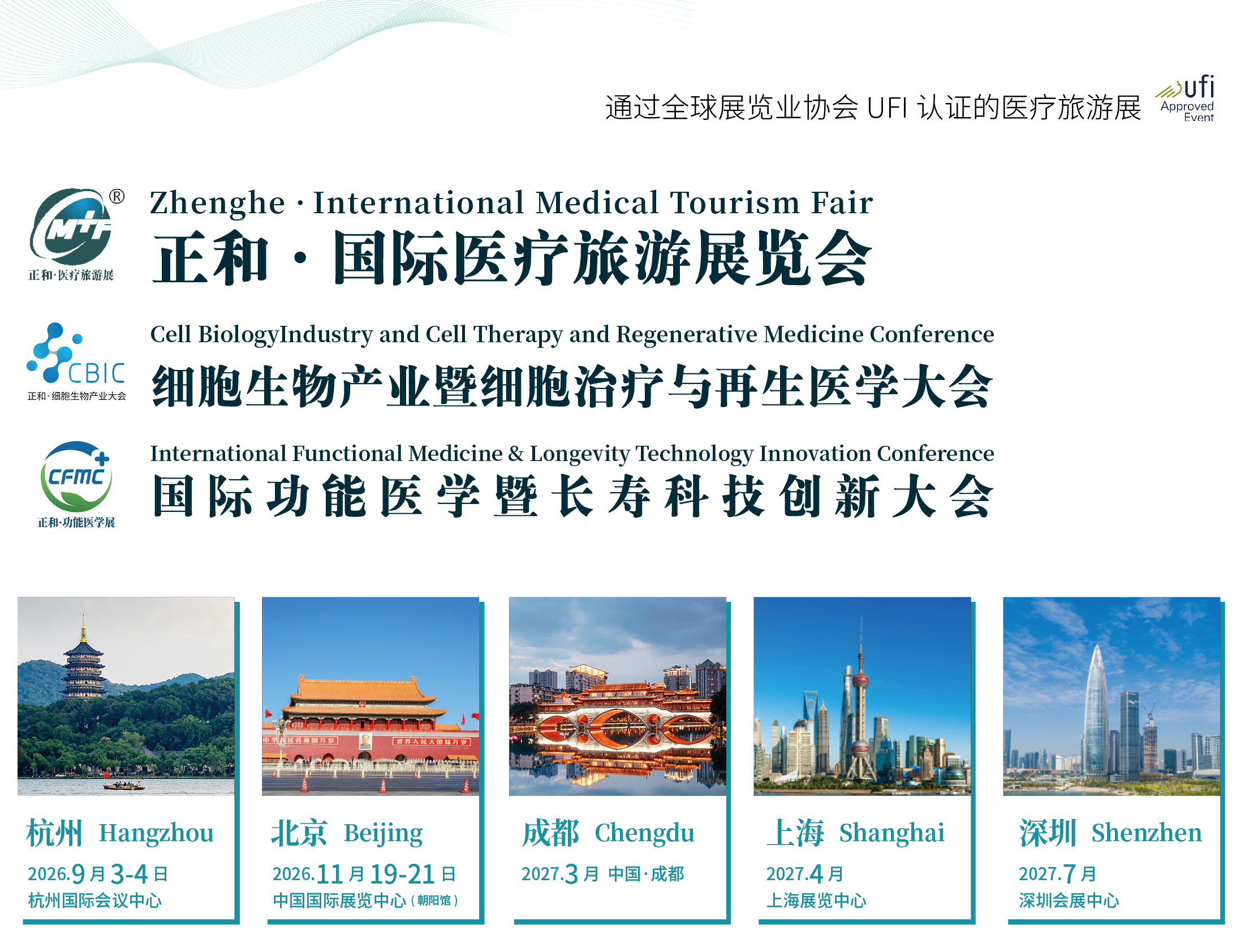
Join Us in Hangzhou: The 28th CMTF International Medical Tourism Fair (Sep 2026)
The strategic window for China's transition into a two-way medical travel destination is happening now. To foster international channel partnerships and connect global agents with China’s healthcare ecosystem, The 28th Zhenghe · International Medical Tourism Fair (CMTF) will take place at the Hangzhou International Conference Center on September 3–4, 2026!
CMTF Hangzhou will convene global and domestic hospitals, cross-border agencies, health management centers, and insurance channels. We cordially invite global industry partners to join us in Hangzhou to co-explore the boundless opportunities of inbound healthcare!
Date: September 3–4, 2026
Venue: Hangzhou International Conference Center
Exhibitor & Channel Inquiries: +86-13570219945 (Phone & WeChat)