
CMTF 2026 Heads to Hangzhou and Beijing as China Expands Its Medical Tourism Agenda
CMTF, established Chinese medical-tourism trade-show series, will bring its touring exhibition series to Hangzhou on September 3 and 4, then to Beijing from November 19 to 21.
The Hangzhou program devotes two sessions on September 4 to inbound medical travel. Topics include proton therapy, overseas patient recruitment, legal compliance and follow-up care. Beijing is CMTF’s broad, three-day trade show, with an organizer forecast of more than 350 exhibitors and 25,000 visits.
The programs also reflect a policy change. In March 2026, nine Chinese government bodies called for international medical tourism clusters and wider cooperation with global insurers. CMTF still sells access to outbound Chinese patients, while its Hangzhou agenda asks whether China can receive more patients from abroad.
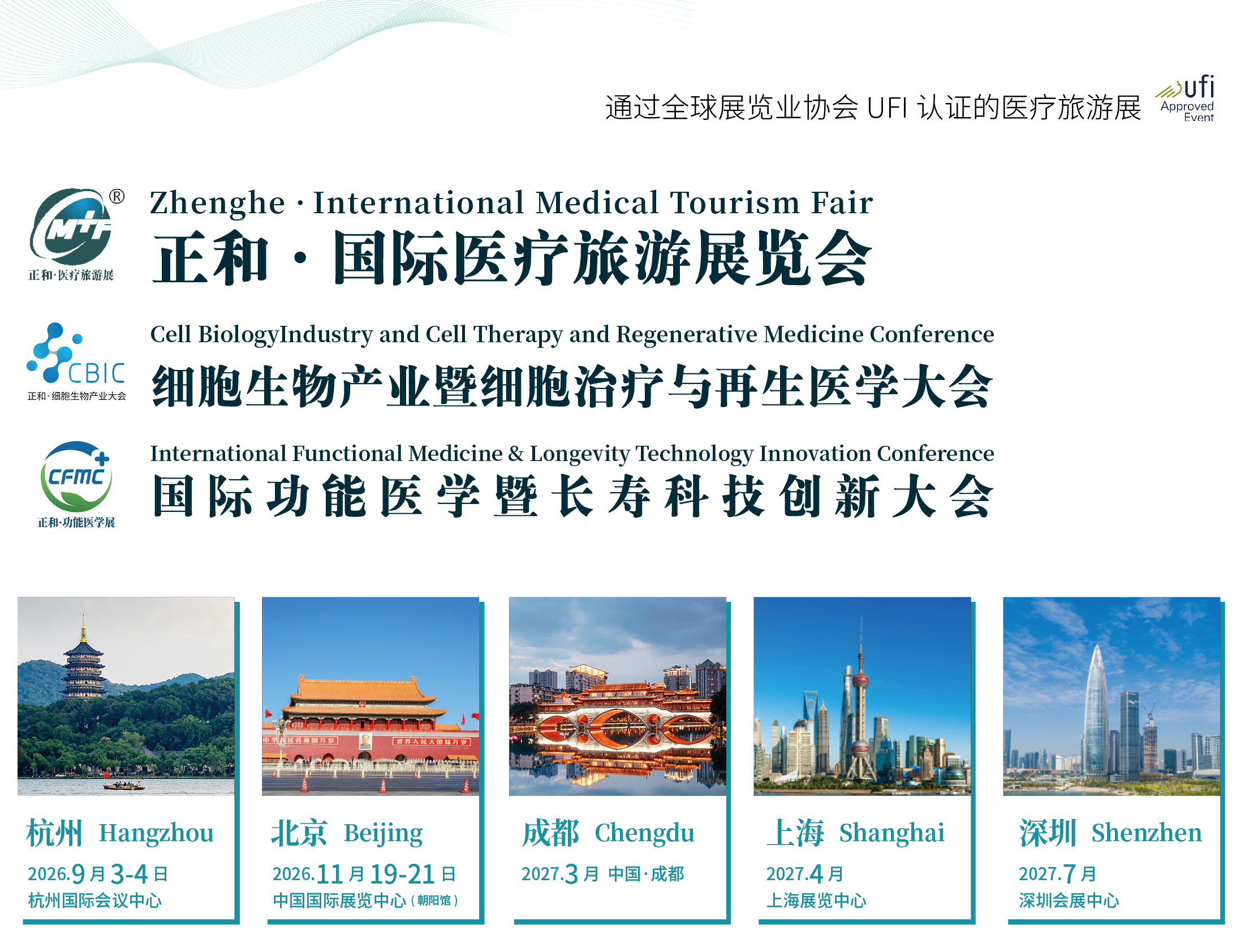
CMTF 2026 dates and venues
EventDatesVenueMain focusCMTF HangzhouSeptember 3–4, 2026Hangzhou International Conference CenterConference-led event with two forums dedicated to inbound medical tourismCMTF BeijingNovember 19–21, 2026China International Exhibition Center, ChaoyangThree-day exhibition covering cross-border care, referral networks and several health-industry sectors
CMTF is a touring exhibition series, not a single annual show. Zhenghe Exhibition Group launched it in 2015 and has since taken editions to Shanghai, Shenzhen and Beijing, alongside conferences in cities including Hangzhou and Chengdu.
The numbering follows that touring schedule. The organizer’s event history identifies Shanghai in April 2026 as the 26th edition, Shenzhen in July as the 27th and Beijing in November as the 28th. Some English-language CMTF material also calls Hangzhou the 28th fair, but the main event history assigns that number to Beijing.

The exhibitor count covers several health industries
CMTF sells exhibition space and meetings to overseas hospitals and healthcare destinations seeking Chinese patients, facilitators and referral agents.
Outbound patient recruitment remains central. Malaysia Healthcare Travel Council brought Malaysian providers to the Shenzhen event in July as part of Malaysia Healthcare Week and used the fair to meet buyers and referral partners in southern China.
MHTC chief executive Suriaghandi Suppiah called China “one of Malaysia Healthcare’s most significant” source markets in a statement before the Shenzhen event.
The series now combines hospitals and tourism boards with parallel events on assisted reproduction, functional medicine, cell biology, regenerative medicine, health screening, supplements, laboratory services and longevity technology.
An advertised total of 300 exhibitors doesn’t mean 300 international hospitals. The count can include testing companies, equipment suppliers, fertility agencies, cell-storage businesses, nutrition brands, clinics and healthcare technology firms.
According to the official CMTF event page, the series has hosted 4,000 hospitals, medical institutions and companies from more than 60 countries and regions since 2015. CMTF reports cumulative professional attendance of more than 310,000. Medical Tourism Watch has not independently verified those historical totals.
Hangzhou puts inbound medical travel on the agenda
Hangzhou’s September 4 schedule contains two dedicated sessions: “Inbound Medical Tourism: Opportunities and Practices” in the morning and “Inbound Medical Tourism: Patient Service Ecosystem” in the afternoon.
The published questions cover patient recruitment and delivery. Can China attract foreign groups for traditional Chinese medicine and medical screening? What would make an international patient trust a Chinese hospital? How should providers handle overseas marketing, legal safeguards and follow-up care?
Hangzhou’s program addresses interpretation, insurance, consent, secure records and follow-up care for international patients.
The published Hangzhou agenda names speakers from United Family Healthcare, Concord Medical Group, Beijing Medroad Oncology Hospital, LumaLink Global, Alchium and a healthcare subsidiary controlled by CITIC Medical and Health Group.
Clinical subjects include proton therapy for international oncology patients and treatment planning for foreign cancer patients. Other talks address patient acquisition through search engines and social media, the legal basis for cross-border care, and how Chinese providers can communicate directly with consumers abroad.
One talk is scheduled for 25 minutes. That leaves limited time to review clinical evidence or challenge a speaker’s claims.
Hangzhou will also host content on assisted reproduction, functional medicine, cell therapy and regenerative medicine. The InterContinental Hangzhou lists about 6,000 square meters of meeting space across 28 rooms, including a 1,780-square-meter main hall.
CMTF hasn’t said how much of that space it has booked.
No reliable final exhibitor or attendance count has been published for the Hangzhou stop. A third-party listing projects 150 exhibitors and 8,000 visitors, but the same page contains outdated Shenzhen details. Medical Tourism Watch doesn’t treat those figures as confirmed.
Beijing carries the larger forecast
The three-day Beijing event is scheduled for the China International Exhibition Center’s Chaoyang site. The organizer forecasts more than 350 hospitals and companies and more than 25,000 visits, including referral agents, industry professionals and higher-income consumers.
The exhibitor categories run from oncology, critical care and health screening to IVF, aesthetic medicine, microbiota services, nutrition, hormone management and anti-aging products. More than 100 forum sessions are planned, with about 1,000 people expected to participate in the conference program, according to CMTF.
Those projections closely match the organizer’s account of its November 2025 Beijing event. CMTF says that edition drew more than 350 exhibitors, 25,000 professional visits and 180 presentations. Medical Tourism Watch found no independent audit of those totals.
Hospitals will be looking for referral agencies and distribution partners. Patients will have to distinguish established medical centers from companies selling loosely defined longevity services.
CMTF labels its Beijing forecast as visits, not unique visitors. It doesn’t publish a counting method or say whether the figure combines the medical tourism exhibition with its concurrent fertility, cell biology and functional medicine programs.
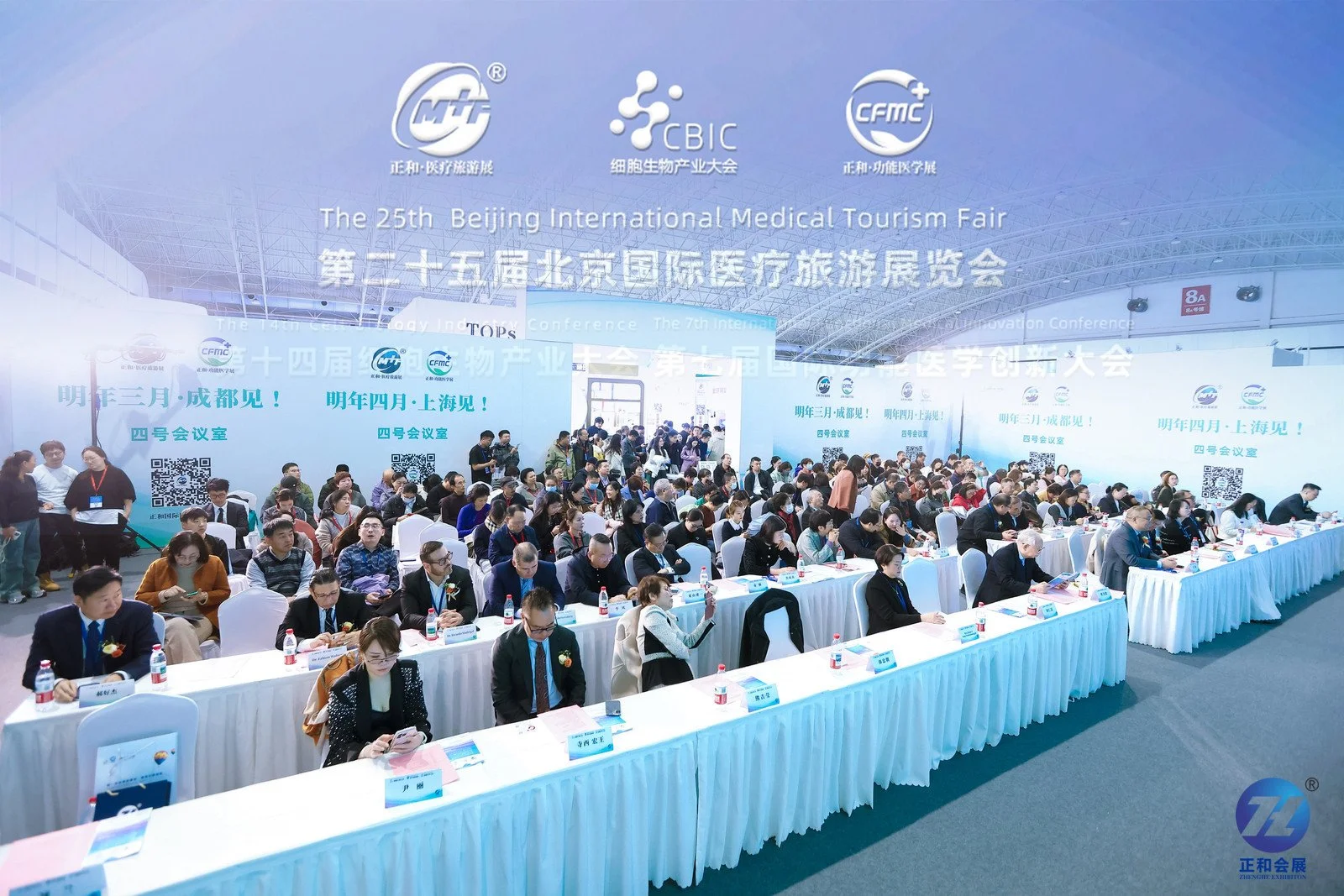
CMTF successfully concluded the Shenzhen exhibition in July this year
China’s 2026 policy backs inbound care
In March, China’s Ministry of Commerce and eight other government bodies issued measures to increase inbound consumption. The policy calls for international medical tourism clusters in selected regions and names health screening, rehabilitation, cosmetic services and traditional Chinese medicine.
It also supports cooperation between hospitals and international insurers, wider direct billing and simpler cross-border claims. The Ministry of Commerce policy gives Boao Lecheng in Hainan a demonstration role because of its special access rules for certain imported medicines and devices.
Some hospitals are building the payment systems needed for international care. Shanghai Ninth People’s Hospital, for example, reported partnerships with 21 commercial insurers in early 2026, including eight offering direct billing. Direct billing lets a patient confirm coverage and costs before boarding a flight.
Policy doesn’t solve patient operations. International patients need reliable medical interpretation, transparent prices, secure records, travel support, informed consent they can understand and a clear handoff to a doctor at home. Visa rules and international flight access determine whether patients can use the service in practice.
Hangzhou’s agenda addresses several of these gaps. At Beijing, the question is how often they appear in the industry’s broader sales and partnership discussions.
Who the events are built for
International hospitals seeking Chinese patients remain the core audience, along with tourism boards, IVF centers, facilitators and referral agencies.
The inbound program adds a second group: Chinese hospitals creating international departments, overseas patient-service companies, medical interpreters, insurers, payment providers and foreign agencies considering China as a treatment destination.
Hangzhou devotes two forums to serving foreign patients. Beijing lists more sectors and forecasts more than 350 exhibitors. For exhibitors at either event, pre-arranged meetings are a better performance measure than headline visitor numbers.
Prospective exhibitors should ask for the current company list, floor plan, visitor breakdown and matchmaking schedule before paying for space. CMTF lists a standard nine-square-meter overseas booth at $5,000. Its 25,000-visit Beijing forecast doesn’t say how many attendees buy hospital services or control referral contracts.
For more information about CMTF China exhibitions and registration, please visit:https://www.cnmeditours.com/medical-tourism
Article from:https://medicaltourismwatch.com/cmtf-2026-hangzhou-beijing-medical-tourism-events/
